New extension: GroupAlarm Things
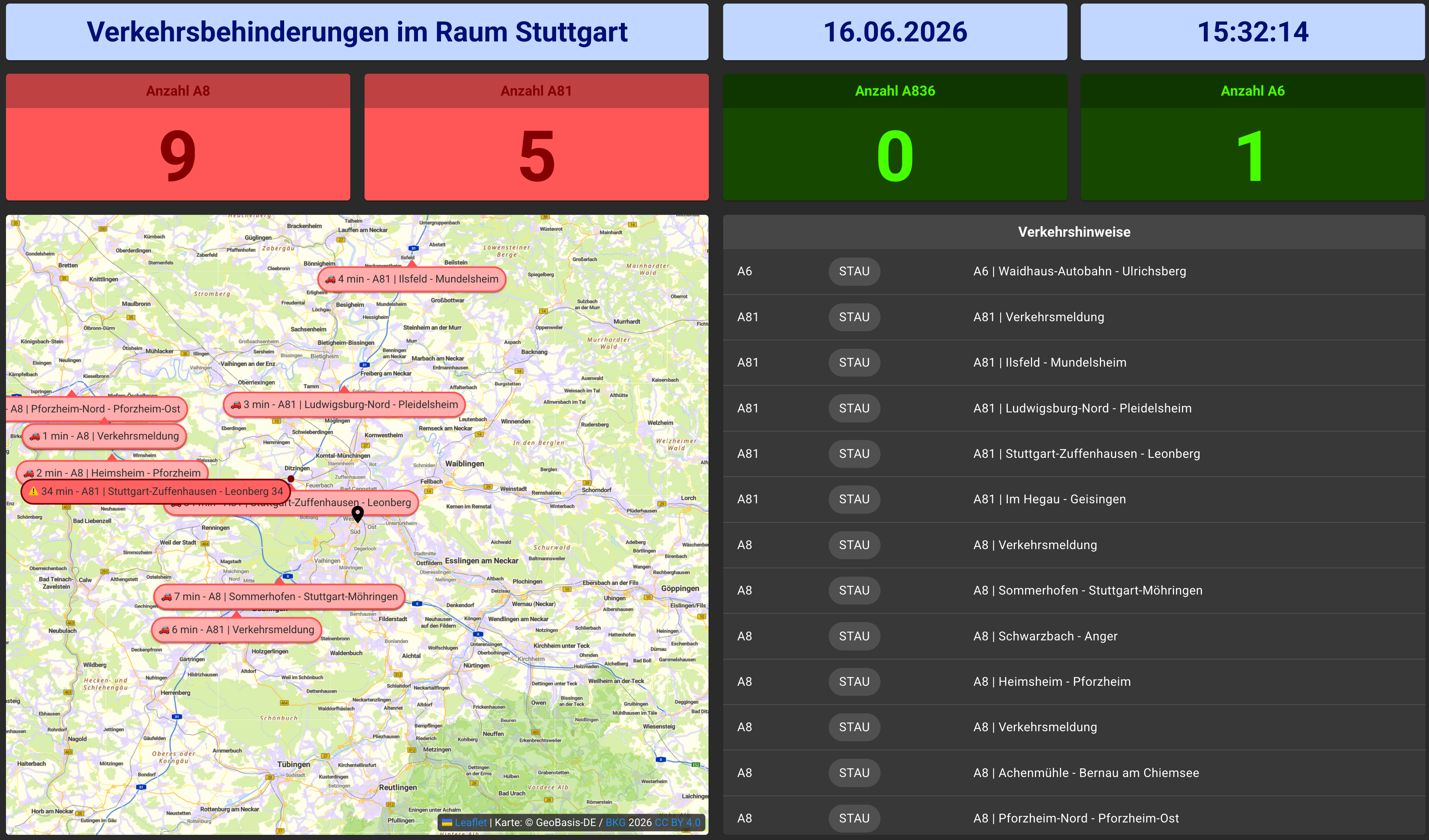
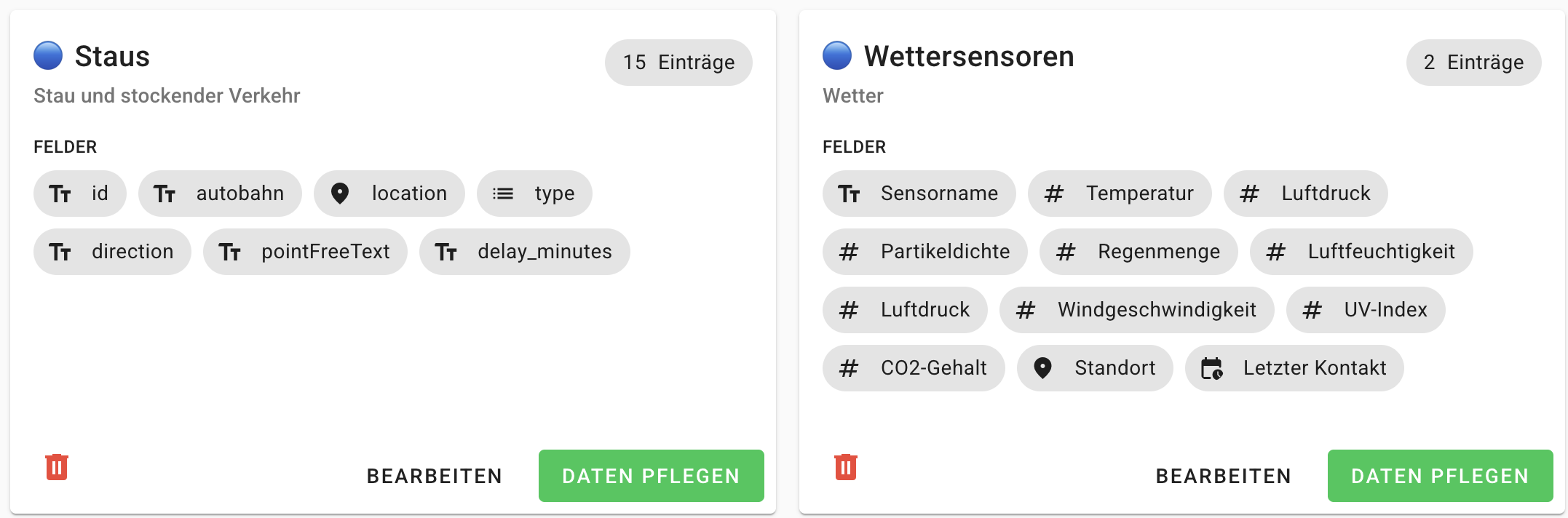
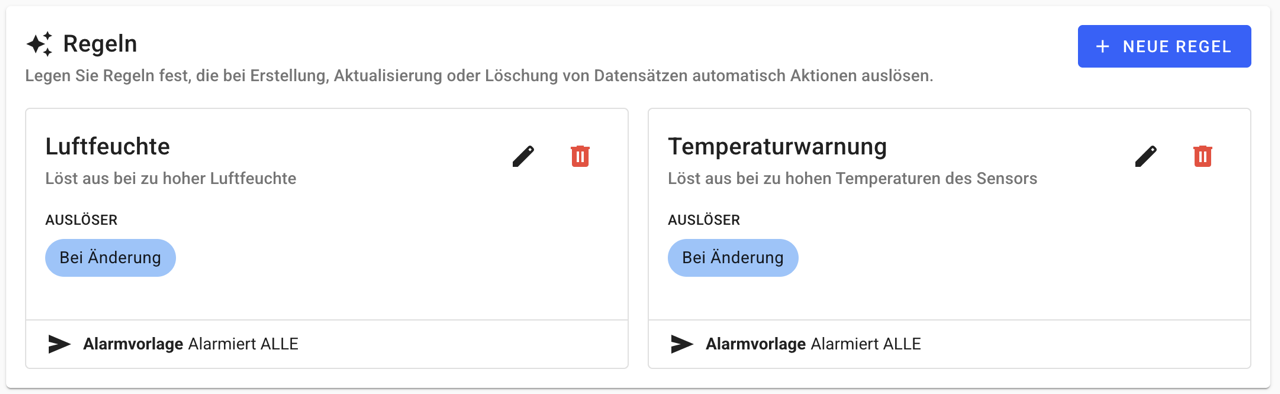
With our latest update, we are introducing GroupAlarm Things. This new extension breaks away from rigid, predetermined data structures within the system. Instead of providing fixed fields for predefined data like vehicles or buildings, organizations can now define their own entities (data models), equip them with custom fields, and seamlessly integrate them into their existing monitors, dispatching processes, and flows.
Table of Contents
- Flexibility Through Custom Data Fields
- From Simple Inventory Tasks to Live Data: Use Cases
- Integration into Dispatching and Flows
- Practical Application Examples
Flexibility Through Custom Data Fields
The core principle behind GroupAlarm Things is maximum adaptability with minimal administrative effort. Administrators can define exactly the data fields required for their specific use case for each entity. The following field types are available, among others:
- Text (e.g., for names, serial numbers, status descriptions, or specific notes)
- Date and Time (e.g., for inspection deadlines, appointments, or last updates)
- Dropdown Lists and Checkboxes (e.g., for categories, statuses, or custom selection fields)
- Coordinates (for location-based visualization on your monitors)
From Simple Inventory Tasks to Live Data: Use Cases
The application possibilities for GroupAlarm Things are highly versatile—ranging from straightforward internal organizational tools to highly dynamic, automated systems.
1. Simple Inventory Tasks
Keep track of equipment items (e.g., breathing apparatuses, hazardous materials, hoses, or defibrillators) and their upcoming maintenance dates. GroupAlarm Things can monitor these deadlines and automatically trigger notifications or assign tasks to equipment managers via flows when due. Displaying this data on your monitor provides additional transparency, easily highlighting out-of-service material.
2. Location-Based Data
Store data such as water supply points, including relevant parameters (like diameter, flow rate, or current condition). Because these entries contain coordinates, they are automatically visualized on monitors and maps—for instance, within the immediate radius of a dispatched incident location. Other static data can also be integrated, such as information on AEDs, staging areas, emergency-operation gas stations, water wells/cisterns, sirens, landing zones, hazardous material storage sites, etc.
3. Dynamic Data via API
A key advantage of GroupAlarm Things is its flexible REST API. Data records do not need to be maintained manually; instead, they can be updated in real time via external scripts or directly through flows. Every entry within an entity is uniquely identified by an ID to make data exchange as simple as possible.
- Real-Time Traffic Information: External scripts can fetch roadworks, full closures, or traffic jams from third-party APIs (such as the German Federal Autobahn GmbH) and push them into GroupAlarm as a “Thing.” Dispatchers and responding crews instantly see roadblocks on their navigation map.
- Water Levels and Weather Sensors: Local weather stations or river level gauges can automatically send their data to GroupAlarm. If a value exceeds a critical threshold, the system reacts immediately, launching predefined information or dispatch workflows.
- Vehicle Tracking: External GPS trackers on response or service vehicles transmit their live coordinates via the API. Your fleet is visualized in real time on the map—including current speed, fuel level, or cargo compartment temperature (critical for transport of sensitive medical supplies).
- Live Telemetry & Drones (UAV): Drone systems can stream GPS coordinates, altitudes, speed, or battery percentages to the API every second during operation. If a drone’s battery drops below 15% in mid-air, the system triggers a critical push notification to the incident command via a flow, while the map marker changes color simultaneously. All sensor values are immediately available live to all authorized personnel and can be analyzed automatically.
- Silo & Tank Fill Levels: IoT ultrasonic sensors on winter service grit silos or fuel tanks report their fill levels directly to the API. If a value drops below 15%, the entry is highlighted in red on the dashboard, and an automated flow is triggered for logistics to reorder.
- Building and Environmental Sensors: Networked smoke detectors, CO2 sensors in meeting rooms, or moisture sensors in archive basements push their live readings. The dashboard instantly displays the status of all facilities and alerts personnel if thresholds are breached.
- Additional Operational Information: Current access codes, drone reconnaissance results, contact persons, or stored building layouts can be generated temporarily during a dispatch, ensuring they are available at the exact moment they are needed.
Integration into Dispatching and Flows
“Things” do not exist in isolation within the system. By linking them with GroupAlarm Flows, your stored data can be used directly as a condition or a trigger for dispatching and alerts. Statistical evaluations of tracked key metrics are also available right on the dashboard.
Cross-Protocol Data Storage and Interface Bridge
Beyond pure visualization, GroupAlarm Things acts as a centralized, flexible data store within your infrastructure. Because the entities operate completely decoupled, flows can receive data from various sources, cache it structurally, and forward it using entirely different protocols or third-party systems.
For example, you can easily parse incoming operational data in the proprietary WDX3 standard, store the dispatch details, status, or relevant GPS coordinates as a “Thing,” and forward this information in the very same breath via a flow to an external MQTT broker (e.g., for smart-home automation in the station house or downstream third-party systems). GroupAlarm Things serves as the universal link between your interfaces. You decide exactly which set of data is saved and forwarded.
Free up to 100 Entries
This feature is available in your organization starting today. Detailed documentation of the API interface for connecting your own systems can be found in our Developer Section. Up to 100 entries are entirely free of charge—details regarding the expanded pricing structure can be found in your account settings.
Practical Application Examples
To illustrate the versatility of GroupAlarm Things, the following overview lists concrete objects, telemetry data, and administrative tasks from real-world operations. All of these “Things” can be synchronized automatically via the API, visualized on dashboards or maps, and autonomously trigger processes based on status changes or expiring deadlines.
BOS (Public Safety Organizations)
- Dynamic Live Data (Alarm Triggers): River water levels, smoke detection, extreme heat development, ice formation, road conditions, carbon monoxide concentration, severe weather warnings, failure of digital radio base stations, sabotage alerts, capacity limit breaches, fill levels, mobile gauges, deployment of mobile flood barriers, gate/barrier openings, traffic reports.
CRITIS (Critical Infrastructures, Hospitals & Industrial Enterprises)
- Dynamic Live Data (Alarm Triggers): Oxygen shortage in main supply tanks, failure of emergency power supplies, critical server room temperatures, critical medical refrigerator temperatures, pressure drops in gas pipelines, fault reports from railway signaling, intrusion alerts, sabotage alarms, water ingress, chlorine gas release warnings, minimum fill-level limits, frequency deviations in the power grid, pressure loss in operating theater ventilation systems, critical hazardous material fill levels, ammonia leaks, gas leaks, liquid detection in retention basins, machinery breakdowns, emergency-stop activations, unauthorized access violations, fire alarms, fire sprinkler pump failures, cold chain temperatures during blood bag transport.
Organizational Administrative Tasks & Deadlines
- Administrative Processes (Task Management): Expiring vehicle inspections and safety checks, medical expiration dates of first-aid supplies, breathing apparatus certification deadlines (G26.3), upcoming calibration dates for testing equipment, cleaning cycles of protective gear, routine operational tests of backup generators, expiration of radio licenses, pending hydrant inspections, open membership applications, medical device compliance checks, validation schedules for sterilizers, expiration of IT security certificates, inspection deadlines for fire doors, management of spontaneous volunteers, meeting minutes, to-do lists.


